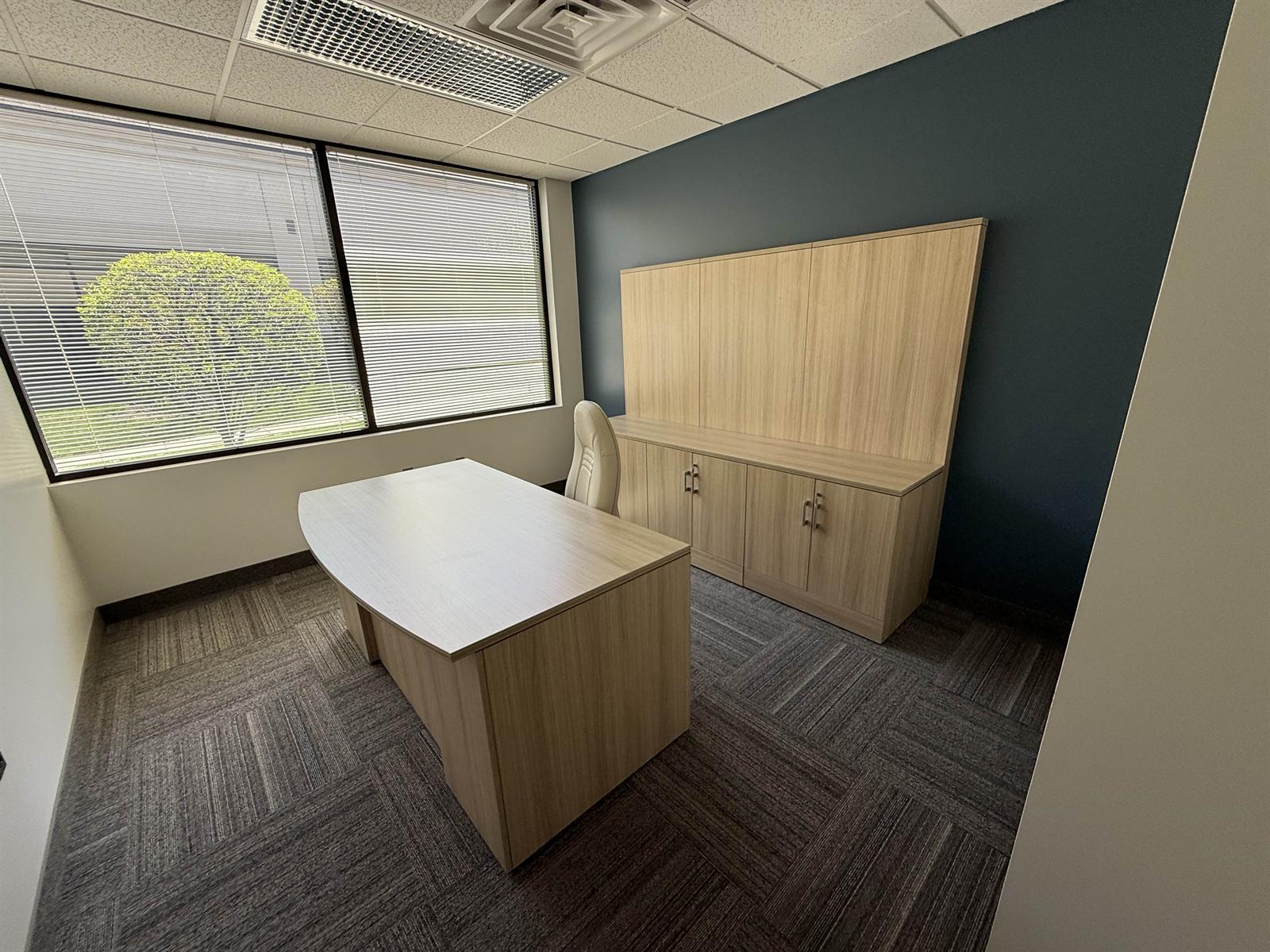
Healthcare furniture projects are different from standard office installs. Work often happens around patient schedules, clinical staff, and strict building protocols, so planning is everything.
1. Schedule Around Active Care Areas
Installation windows should match real operational downtime, not just a general project calendar. Early coordination with facility contacts prevents last-minute delays.
2. Separate Clinical and Administrative Zones
Not every room has the same requirements. Admin areas, waiting areas, and treatment spaces should each have their own install sequence and access plan.
3. Maintain Clear Access Paths
Routes for deliveries, staging, and debris removal need to be mapped before install day. This helps crews move efficiently and keeps public corridors clear.
4. Keep Communication Tight During Execution
Healthcare projects run best when site contacts, facilities teams, and installers communicate in real time. Daily check-ins reduce risk and keep timelines predictable.
5. Plan for Punch-List Completion
Final adjustments are normal. A short punch-list phase with clear owners and dates keeps turnover smooth and avoids reopening areas later.
Common Project Scope
- Waiting room and reception furniture
- Administrative and billing workstations
- Treatment room and support-area casegoods
- Conference and staff collaboration spaces